







Endodontics
Expert root canal treatments and endodontic care in Tirana, Albania. Save your natural teeth with gentle, effective treatment.
What is Endodontics?
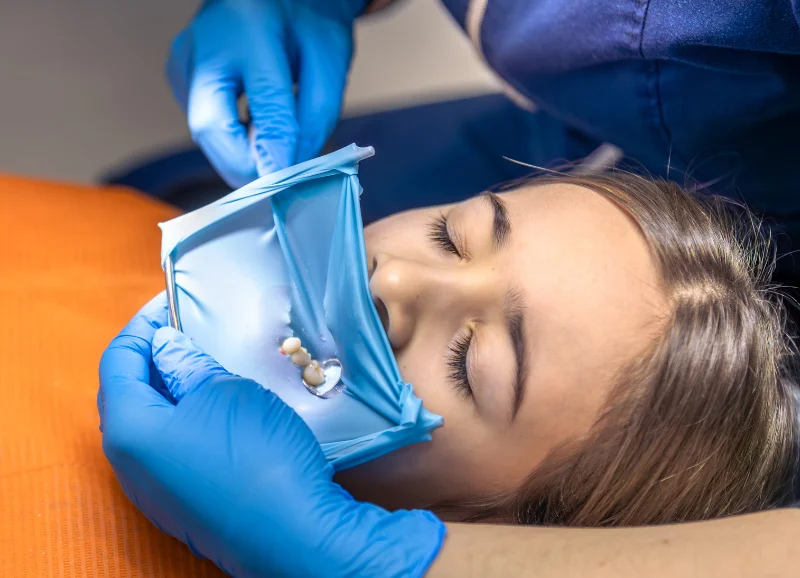
Endodontics is all about saving natural teeth by cleaning, disinfecting, and sealing the root canals inside them.
How to Prevent the Need for Endodontic Treatment?
Taking care of your teeth today can save you from complex dental treatments tomorrow. Preventive care not only protects your natural teeth but also reduces the risk of infections that may require root canal therapy.
- Brush and Floss Daily
- Visit Your Dentist Regularly
- Avoid Sugary and Acidic Foods
- Wear a Mouthguard if You Grind Your Teeth
- Address Cavities and Cracks Early
Traumatic Dental Injury Treatment
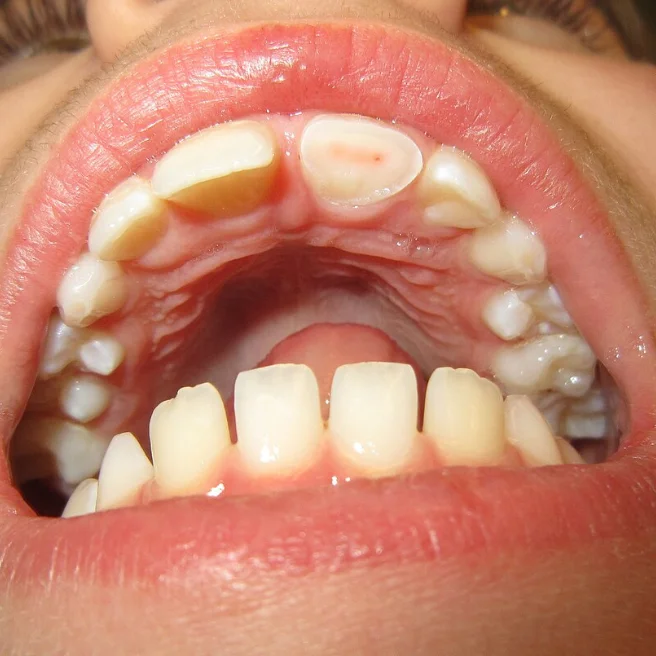
This service focuses on urgent care for teeth that have been knocked out, chipped, fractured, or moved due to accidents, sports injuries, or other trauma. Quick and proper treatment is essential to save the affected tooth and prevent long-term damage.
Root Canal Treatment
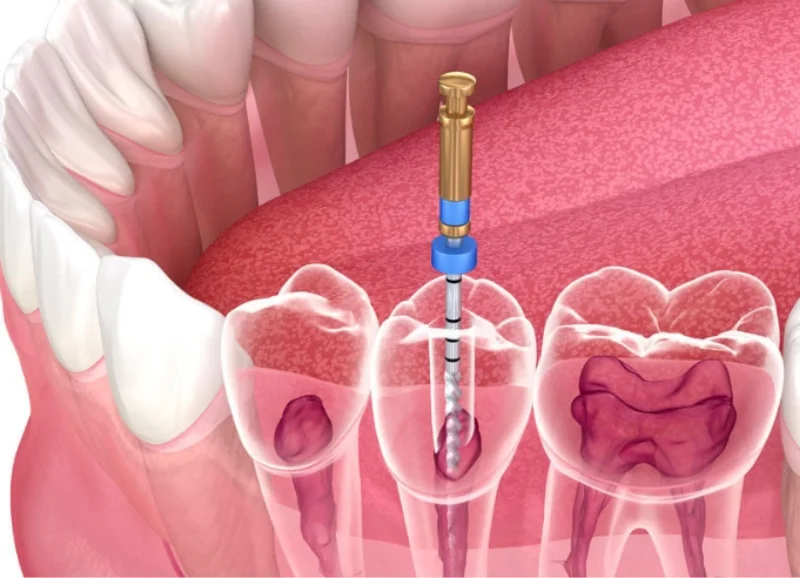
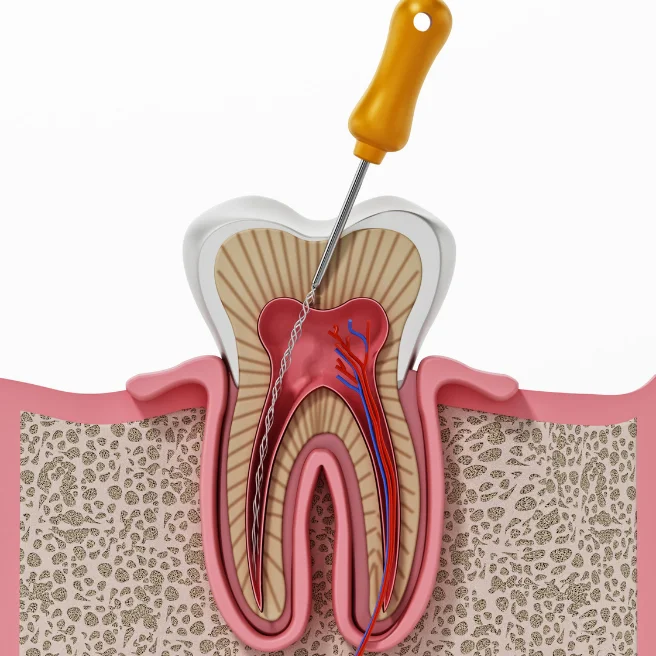
A root canal is a dental procedure used to save a tooth that is badly decayed or infected. Inside the tooth is soft tissue called pulp, which can become inflamed due to deep cavities, cracks, or trauma. During treatment, the infected pulp is removed, the inside of the tooth is carefully cleaned and shaped, then filled and sealed to prevent reinfection. Root canals help relieve pain, stop the spread of infection, and allow you to keep your natural tooth.
Frequently Asked Questions
Is a root canal painful?
Modern root canal treatment is virtually painless thanks to advanced anesthesia techniques. Most patients compare it to getting a regular filling.
How long does a root canal take?
A typical root canal procedure takes 60-90 minutes. Complex cases may require additional visits.
What happens if I don't get a root canal?
Without treatment, the infection can spread to surrounding teeth and jawbone, potentially leading to tooth loss and more serious health complications.
How long does root canal recovery take?
Most patients return to normal activities within 1-2 days. Mild sensitivity may persist for a few days but subsides gradually.