






Being told there is not enough bone for dental implants can be discouraging. If the bone loss is at the back of the upper jaw, it does not always mean a fixed restoration is out of reach. For some patients, pterygoid implants offer another option.
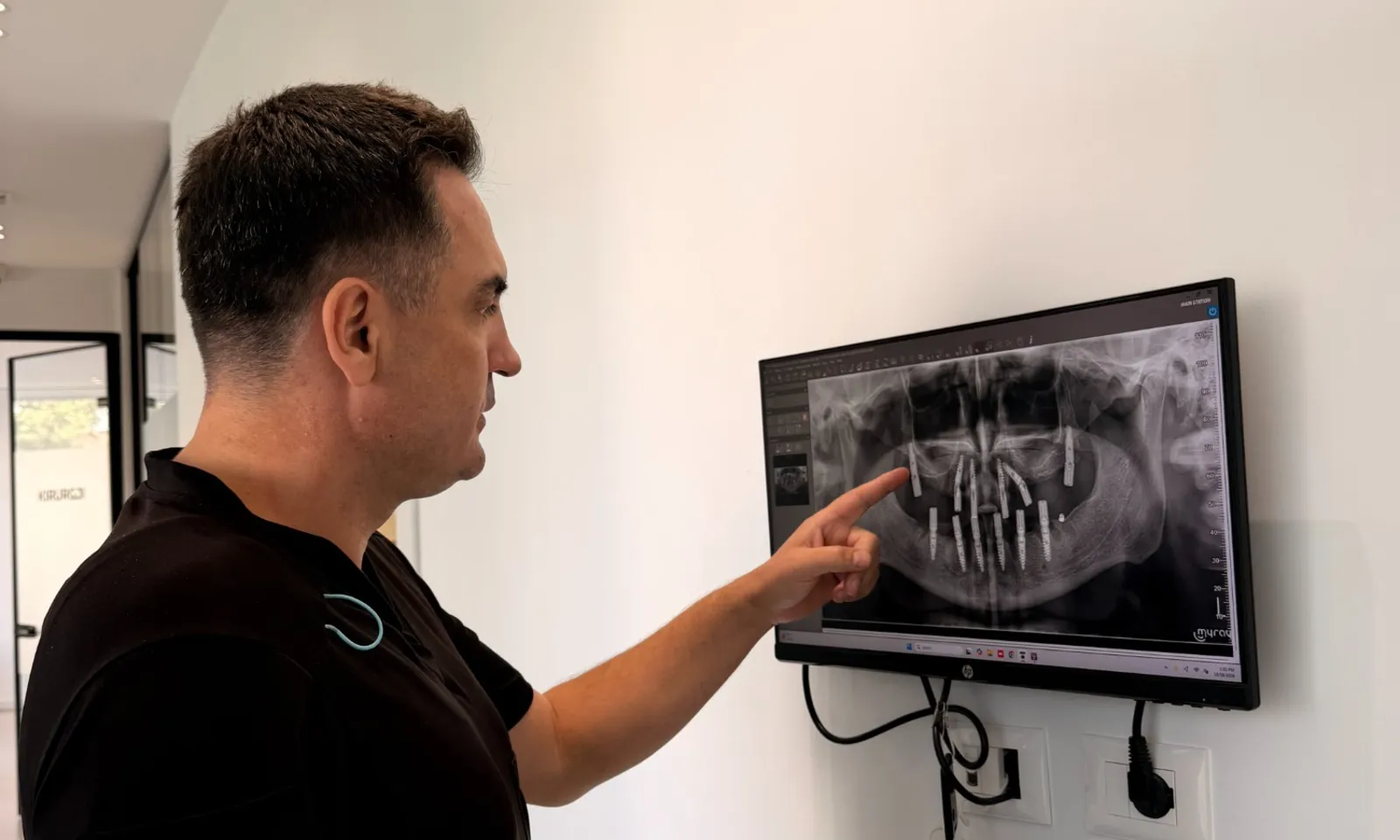
These implants are placed towards the back of the upper jaw and engage bone in the pterygoid region, behind the maxillary sinus. They can provide additional support for a fixed set of teeth when conventional dental implants alone would not have enough bone to anchor into.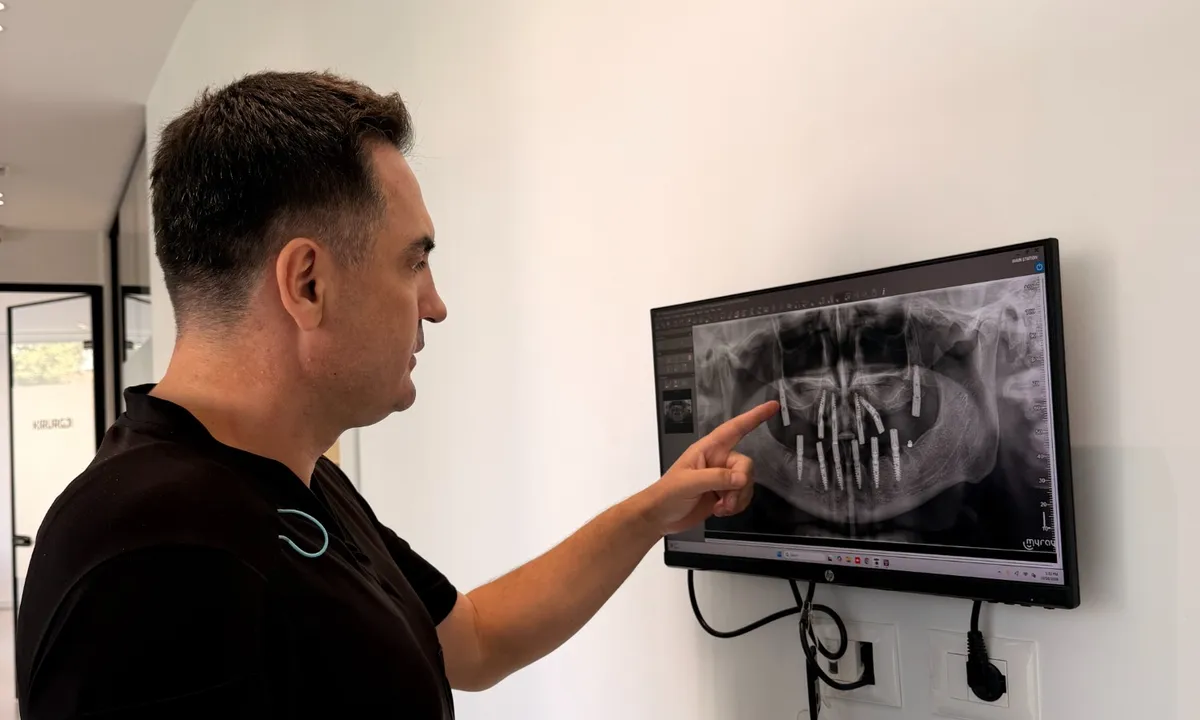
When might they be considered?
Pterygoid implants may be considered when there is significant bone loss in the posterior upper jaw. In selected cases, they can reduce the need for a sinus lift or bone grafting in that area.
They are not a replacement for every other approach. Depending on the anatomy, bone grafting or a sinus lift may still be the more suitable choice. The aim is to find a reliable foundation for the planned teeth, not simply to avoid a particular procedure.
What are the possible benefits?
The main benefit is extra support at the back of the jaw. For a suitable patient, this may make a fixed restoration possible without some of the additional surgery that would otherwise be needed.
Avoiding a separate grafting procedure may also shorten the overall treatment pathway. That does not mean everyone can receive their final teeth straight away: healing, implant stability and the design of the restoration all affect the timing. Individual outcomes vary.
Assessment and safety come first
A clinical examination and a 3D scan (CBCT) are essential for planning. A panoramic X-ray can be useful at the start, but it cannot provide all the detail needed to assess the available bone and nearby structures.
Pterygoid implantation is an advanced surgical technique and is not suitable for everyone. As with other implant surgery, risks include infection and failure of an implant to integrate with the bone. The anatomy of this region also requires particular care. Your surgeon should explain the relevant risks, alternatives and aftercare before you decide.
Finding the right approach for you
At Dental Health, treatment starts with a consultation and diagnostic assessment. We look at the available bone, your oral and general health, and what you need from the restoration before recommending a plan.
If you have been told you have too little bone for implants, contact us for an individual evaluation. We can discuss which options are worth considering in your case.
Dental Health · Lake View, Rruga e Kosovarëve, Tirana